
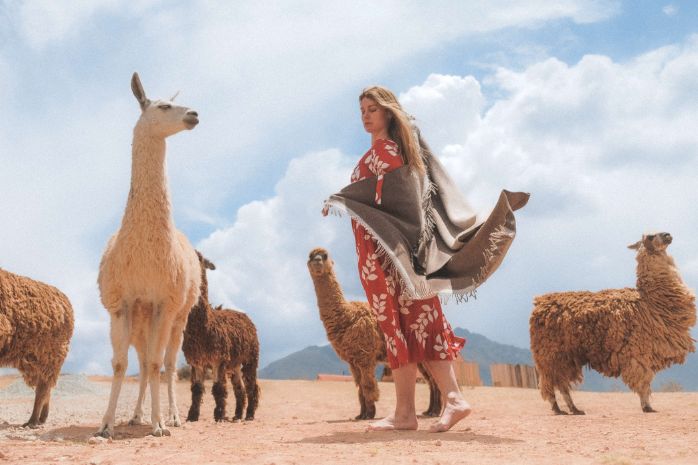
Choosing the right wool can feel confusing. In this guide we explain baby alpaca wool vs alpaca in simple terms. You will learn how soft alpaca wool is, what alpaca wool grades mean, what makes alpaca wool special, and how alpaca compares to other luxury wool types. By the end you will know how to pick warm, lasting pieces, like the baby alpaca scarves and shawls made by Tukuy.
Baby alpaca wool vs alpaca: basic differences
People use two main labels: “baby alpaca” and “alpaca.” They do not mean the alpaca was a baby. The names point to fiber softness and diameter. Here are the key differences at a glance.
- Fiber diameter: Baby alpaca is finer and softer. Regular alpaca has a wider range of diameters and can be coarser.
- Softness: Baby alpaca feels silkier next to the skin, very similar to cashmere. Regular alpaca can still be soft, but some fibers are more robust.
- Price and rarity: Finer fibers like baby alpaca are rarer and often priced higher.
- Use: Baby alpaca is common in scarves, shawls, and garments worn close to skin. Regular alpaca suits outerwear, rugs, and mixed textiles.
Knowing these basics helps you shop for items that match your comfort needs. Tukuy’s accessories use high-quality Peruvian baby alpaca fibers chosen to match each product’s purpose.
How soft is alpaca wool: feel, measurements, and what to expect
People ask, “how soft is alpaca wool?” Softness depends on fiber diameter and texture. We measure fiber diameter in microns. Lower numbers mean finer, softer wool.
Typical ranges:
- Baby alpaca: about 19 to 22 microns. Feels very soft and smooth.
- Fine alpaca: about 22 to 24 microns. Still very soft for garments.
- Medium/coarser alpaca: 24 microns and up. Good for outer layers and long-wearing items.
How this feels in real life:
- Baby alpaca: silk-like, almost cashmere-level softness. Excellent for scarves and shawls worn next to skin.
- Regular alpaca: can be just as cozy but sometimes has more body. Great for blankets, beanies, and ponchos.
Softness also depends on processing. Good spinning and gentle finishing keep fibers smooth. Tukuy focuses on careful processing so finished pieces feel luxuriously soft while staying durable.
Alpaca wool grades: how fibers are classified
Alpaca wool grades explain the fiber quality and best uses. Grading looks at diameter, uniformity, and the presence of guard hairs. Here are the common grade categories and what they mean.
Common alpaca wool grades and what they tell you
- Baby alpaca: Finest group. Low micron count and very uniform. Best for high-end garments and accessories you wear close to skin.
- Royal or Superfine: Slightly broader than baby alpaca. Still very soft and often used in luxury scarves and knitwear.
- Medium or Standard: Durable and warm. Often used for sweaters, outerwear, and blankets.
- Coarse or Rug: Thicker fibers. Best for rugs, heavy coats, or mixed yarn where strength matters more than next-to-skin softness.
What affects grade quality?
- Age of the animal. Younger animals give finer fibers, but not only newborns qualify as “baby alpaca.”
- Genetics and breed. Some alpacas produce finer fleece regularly.
- Nutrition and care. Healthy animals produce better, more uniform fiber.
- Harvesting and processing. Skilled shearing and gentle mill work protect fiber quality.
Labels can vary by supplier. Look for micron counts and feel the fabric when possible. Tukuy uses the best quality baby alpaca fibers and careful craftsmanship for each product so you can be sure that the quality is second to none.
What makes alpaca wool special: warmth, strength, and sustainability
Alpaca wool is special for many reasons. It blends luxury with practical benefits that matter for clothing and home textiles.
- Warmth without weight: Alpaca fibers trap air, providing insulation while staying light.
- Natural hypoallergenic: Alpaca lacks lanolin, so many people with wool sensitivities find it gentler than sheep wool.
- Durability: Strong fibers make alpaca long-lasting when cared for properly.
- Water resistance: Alpaca fibers resist light moisture and dry relatively quickly.
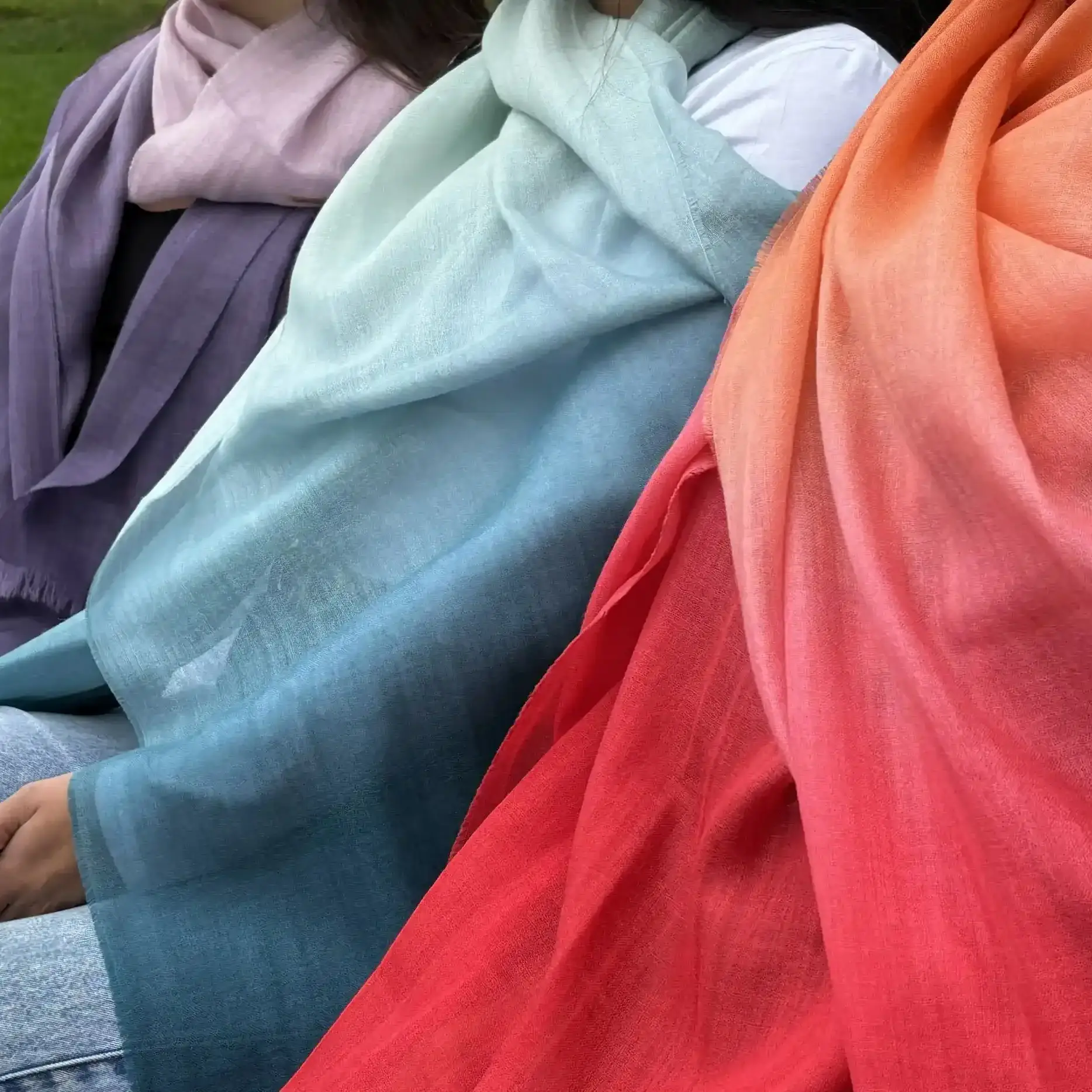
- Luster and drape: Finer alpaca has a soft sheen and a beautiful fall, ideal for scarves and shawls.
- Sustainability: Alpacas have a light environmental footprint. They graze without damaging soils and require less water than some other fiber animals.
Because of these traits, baby alpaca is a favorite for slow fashion brands. Tukuy uses local Peruvian techniques and sustainable practices to honor these natural advantages and make beautiful, long-lived products.
Luxury wool types compared: alpaca vs cashmere vs merino and more
A common question is how alpaca ranks against other luxury wools. Here is a simple comparison with the main types shoppers consider.
Alpaca vs cashmere
- Softness: Cashmere and baby alpaca can both be extremely soft.
- Warmth: Alpaca often wins. Alpaca insulates very well for its weight.
- Durability: Alpaca tends to be stronger and pill less. An alpaca garment can be with you decades and still feel as good as new.
- Price: Cashmere is usually more expensive due to limited supply.
Alpaca vs merino
- Softness: Fine merino is soft but itchy while baby alpaca is very soft and non itchy also it maintains the temperature better.
- Moisture management: Both are excellent at wicking moisture, they are popular for activewear and alpaca socks.
- Use cases: Choose merino for active or close-fit layering. Choose alpaca for warmth, luxury accessories, and elegant drape.
How to choose between baby alpaca and regular alpaca for different items
Your choice should match how you plan to use the item. Here are clear suggestions for common products.
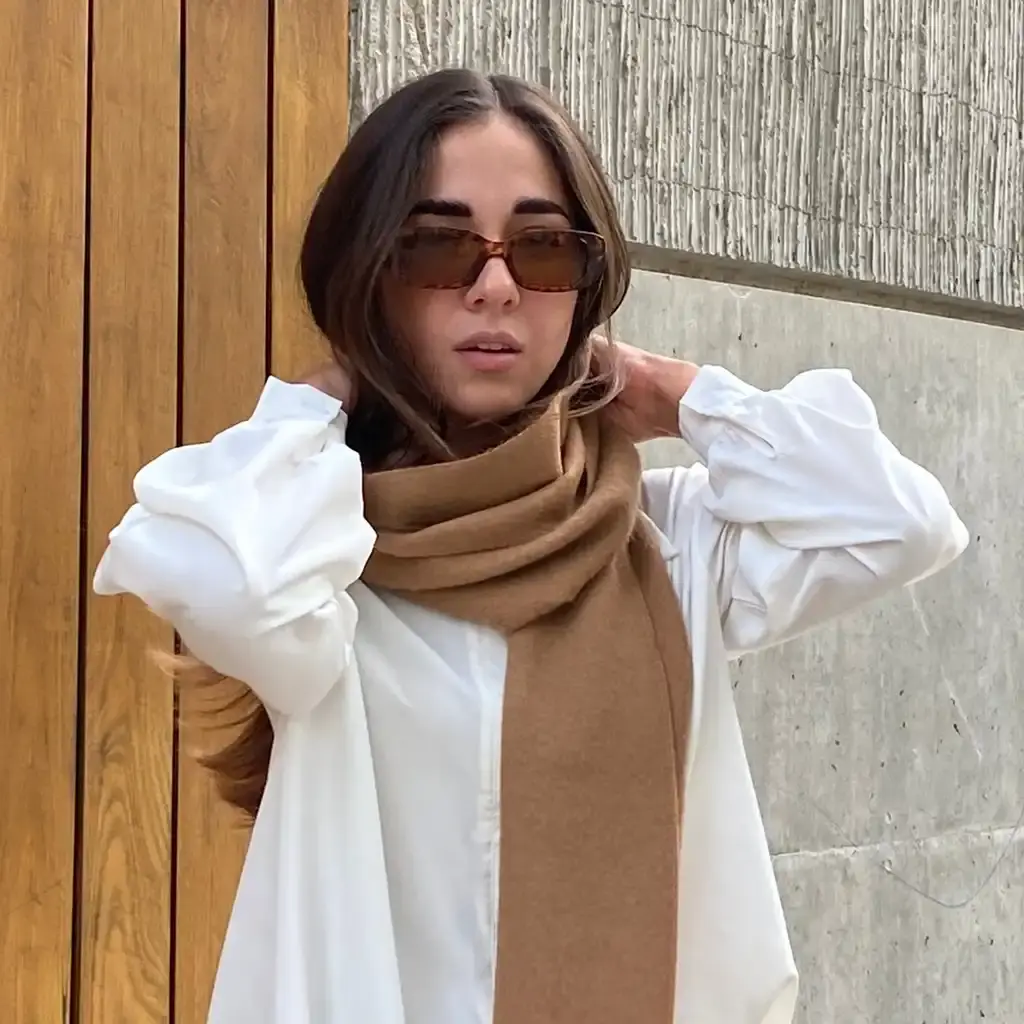
- Scarves and shawls: Baby alpaca for softness next to skin.
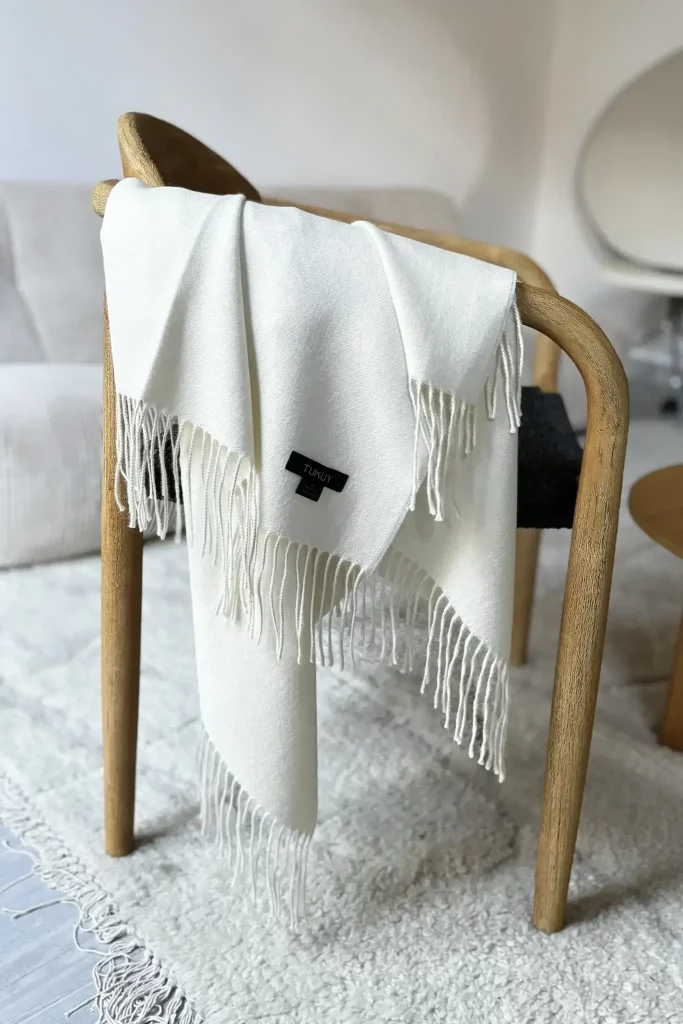
- Blankets: Medium to fine alpaca works well. At Tukuy we go all the way in with baby alpaca for softer feeling.
- Ponchos and outerwear: Regular alpaca or blended yarns give durability and shape.
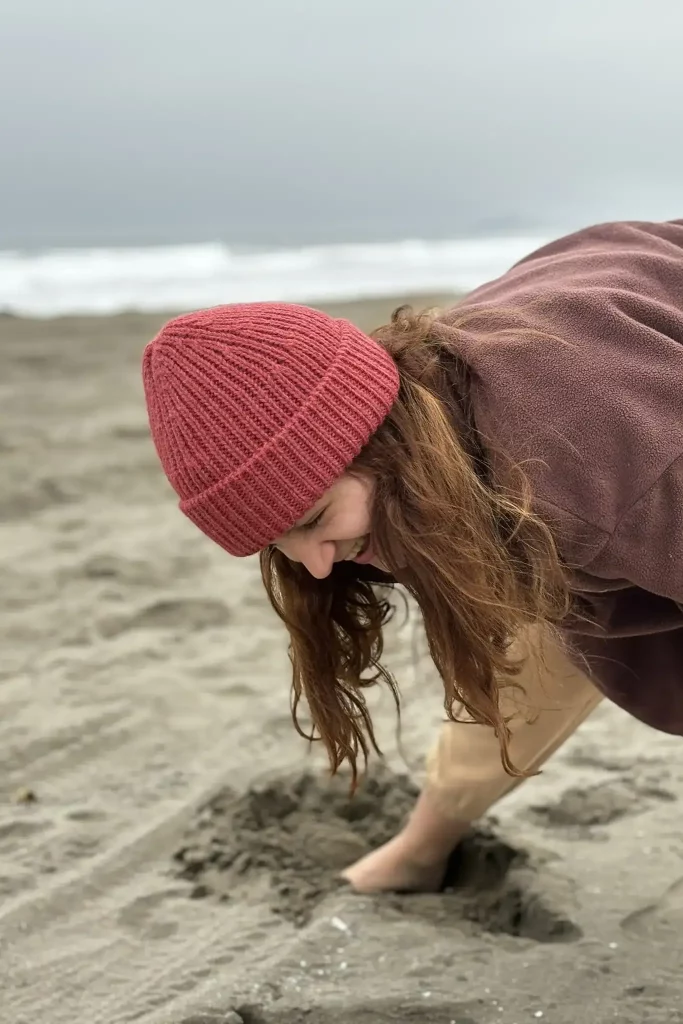
- Socks and beanies: Fine or baby alpaca for comfort. Thicker alpaca blends add durability for heavy wear.
- Gifts: Choose baby alpaca accessories for a luxurious gift, wearable present most people will love.
Tukuy works with the best quality of baby alpaca wool in all of its products blankets, scarves, shawls and beanies. That ensures you get the right balance of softness, warmth, and longevity.
Sustainability and origin: why Peruvian alpaca matters
Peru is the historical home of alpaca fiber. Local herding, weaving, and dyeing traditions are vital to the quality and story behind each garment.
- Ethical animal care: Many Peruvian herders raise alpacas in family settings with low-impact grazing practices.
- Craft traditions: Weaving and finishing techniques have been refined over generations.
- Local economies: Buying Peruvian-made alpaca supports communities and keeps skills alive.
- Lower environmental impact: Alpacas have soft padded feet and gentle grazing, which protects soils and local biodiversity.
Tukuy partners with Peruvian artisans and makers to produce accessories that honor this heritage of what is known the fiber of the gods. That approach supports sustainable livelihoods and results in better-made products.
Common questions: baby alpaca wool vs alpaca answered
Is baby alpaca from baby alpacas?
No. The term “baby alpaca” refers to fiber fineness and not to the animal’s age at shearing. It means the fiber meets a finer micron standard.
Will alpaca pill?
All natural fibers can pill, but alpaca pills way less than many other wools. Proper care and good spinning reduce pilling and your garment can last for ages.
Is alpaca hypoallergenic?
Alpaca lacks lanolin, which can cause reactions in some people. Many with wool sensitivities find alpaca comfortable. Still, in some extreme sensitive skins individual reactions can vary.
Final thoughts on baby alpaca wool vs alpaca
Baby alpaca and regular alpaca each have strengths. Baby alpaca wins for ultra-soft, next-to-skin items. Regular alpaca shines where warmth, durability, and structure matter. Alpaca blends the best traits of luxury wools: it is warm, lightweight, and often more durable than alternatives.
When you choose alpaca, focus on fiber grade and intended use. Buy from makers who share origin and care information so your piece will last. Tukuy’s Peruvian-made baby alpaca accessories combine thoughtful design, sustainable practice, and careful fiber selection to give you beautiful, long-lived pieces.
If you want a soft scarf, a cozy blanket, or a warm beanie, explore Tukuy’s collection of baby alpaca essentials and pick your favorite one. Enjoy the comfort and durability of real baby alpaca crafted with care.