You’re thinking about buying an alpaca scarf and wondering if it’s really worth the price. Fair question. Alpaca isn’t cheap, and when there are wool scarves for a fraction of the cost, you want to know what you’re actually paying for.
We’ve spent years working with alpaca fiber, and the short answer is yes. But instead of just telling you that, here’s what actually makes alpaca different from every other fiber you could wrap around your neck.
It’s soft in a way that surprises you
Most people who touch an alpaca scarf for the first time say the same thing: they didn’t expect it to feel this soft. Alpaca fibers are naturally smoother and finer than sheep’s wool, which is why they feel gentle against the skin rather than scratchy. If you’ve ever avoided wool scarves because they irritate your neck, alpaca is a completely different experience. Baby alpaca, the finest grade we use in our alpaca scarves, takes that softness even further. It’s comparable to cashmere, sometimes softer.
Warm without the bulk
Alpaca has a hollow fiber structure that traps air and insulates exceptionally well. In practical terms, that means an alpaca scarf keeps you warm without feeling heavy or bulky around your neck. You get serious warmth from a surprisingly lightweight piece. It works on a crisp autumn walk and on a freezing January morning, and you barely notice you’re wearing it.
It lasts for years, not seasons
This is where the “worth it” question really gets answered. A good alpaca scarf doesn’t pill, doesn’t lose its shape, and doesn’t wear thin after a couple of winters. The fiber is naturally strong and resilient. If you take basic care of it (air it out, dry clean once a year), you’ll still be wearing it five or ten years from now. That changes the math on the price pretty quickly.
No itch, no allergies
Sheep’s wool contains lanolin, a natural grease that causes itching and allergic reactions in a lot of people. Alpaca doesn’t have lanolin at all. That’s not a marketing claim; it’s biology. So if you’ve written off wool scarves because they make your skin react, alpaca is worth trying. It’s hypoallergenic by nature, not by treatment.
Better for the planet than you’d think
Alpacas are gentle on the land they graze. They eat less, drink less, and cause less soil damage than most livestock. The fiber is natural, biodegradable, and incredibly long-lasting, which means less waste over time. Choosing an alpaca scarf over a synthetic one is a small decision that adds up. And if you want a wider piece that drapes over the shoulders, our alpaca shawls offer the same benefits in a more generous size.
It goes with everything
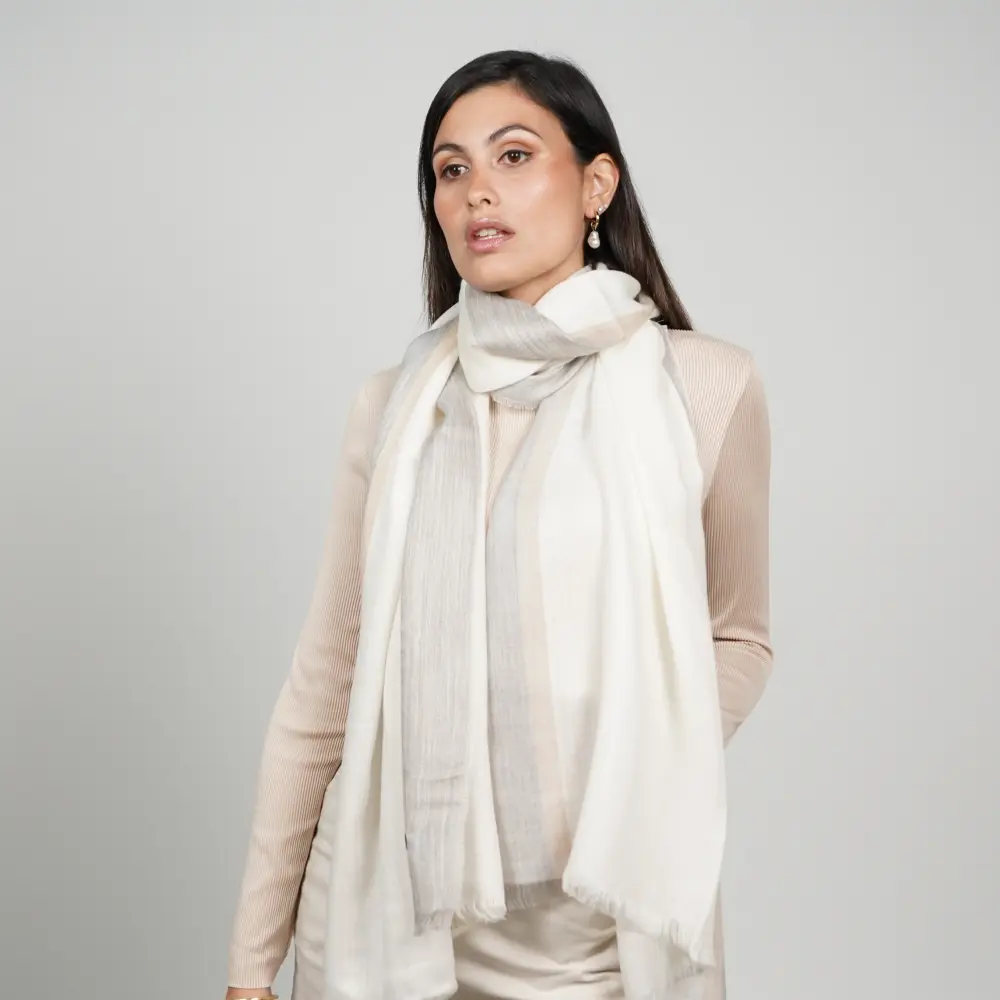
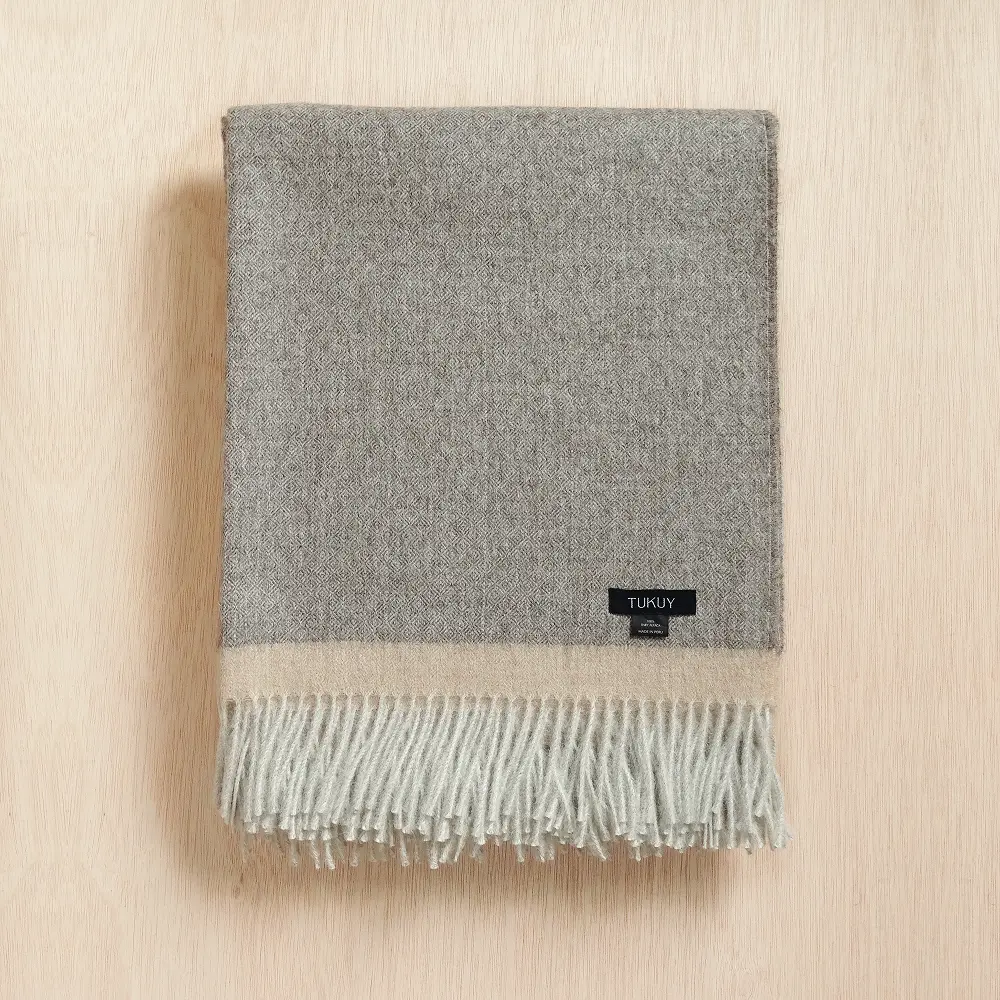
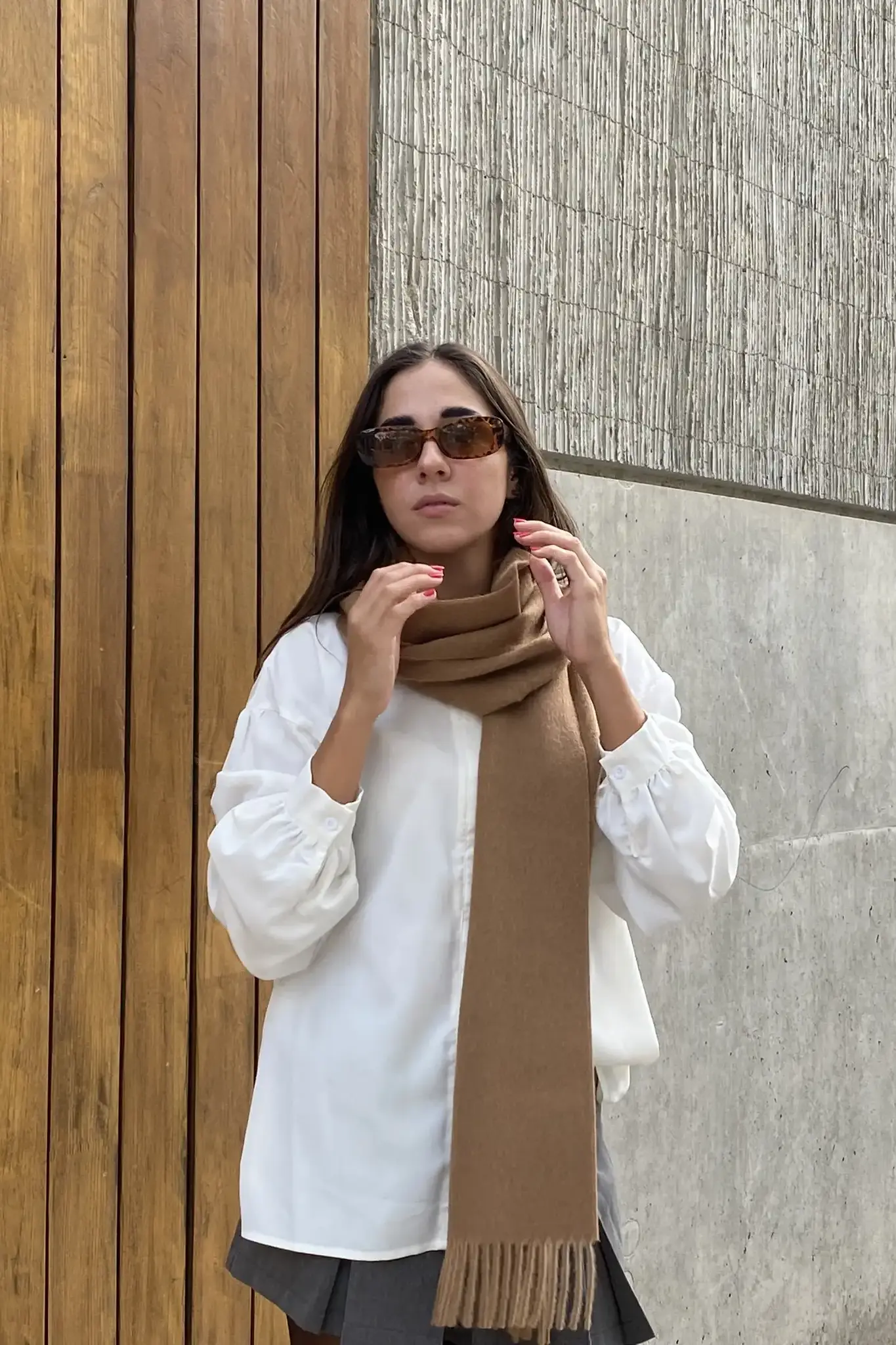
An alpaca scarf isn’t the kind of accessory that works with one outfit and sits in a drawer the rest of the time. The natural colors of undyed alpaca (cream, camel, grey, brown) match practically anything. And because the fiber has a natural drape and a subtle luster, it looks as good with a simple t-shirt and jacket as it does with a coat and dress shoes. It’s genuinely versatile, not “versatile” in the way that marketing copy usually means.
Your purchase supports real people
Every Tukuy scarf is made in Peru by our local producers. We work directly with them, without middlemen, and that matters. It means fair pay, sustained work, and a direct connection between the person who made your scarf and the person wearing it. When you buy an alpaca scarf from us, you’re not just getting a good product. You’re supporting a model of trade that actually works for the people making it.
So, is it worth it?
If you want something soft, warm, durable, hypoallergenic and ethically made, and you’d rather buy one good scarf than replace a cheap one every year or two, then yes. An alpaca scarf is one of those rare purchases where the quality genuinely justifies the price. You feel it the first time you put it on, and you keep feeling it years later.