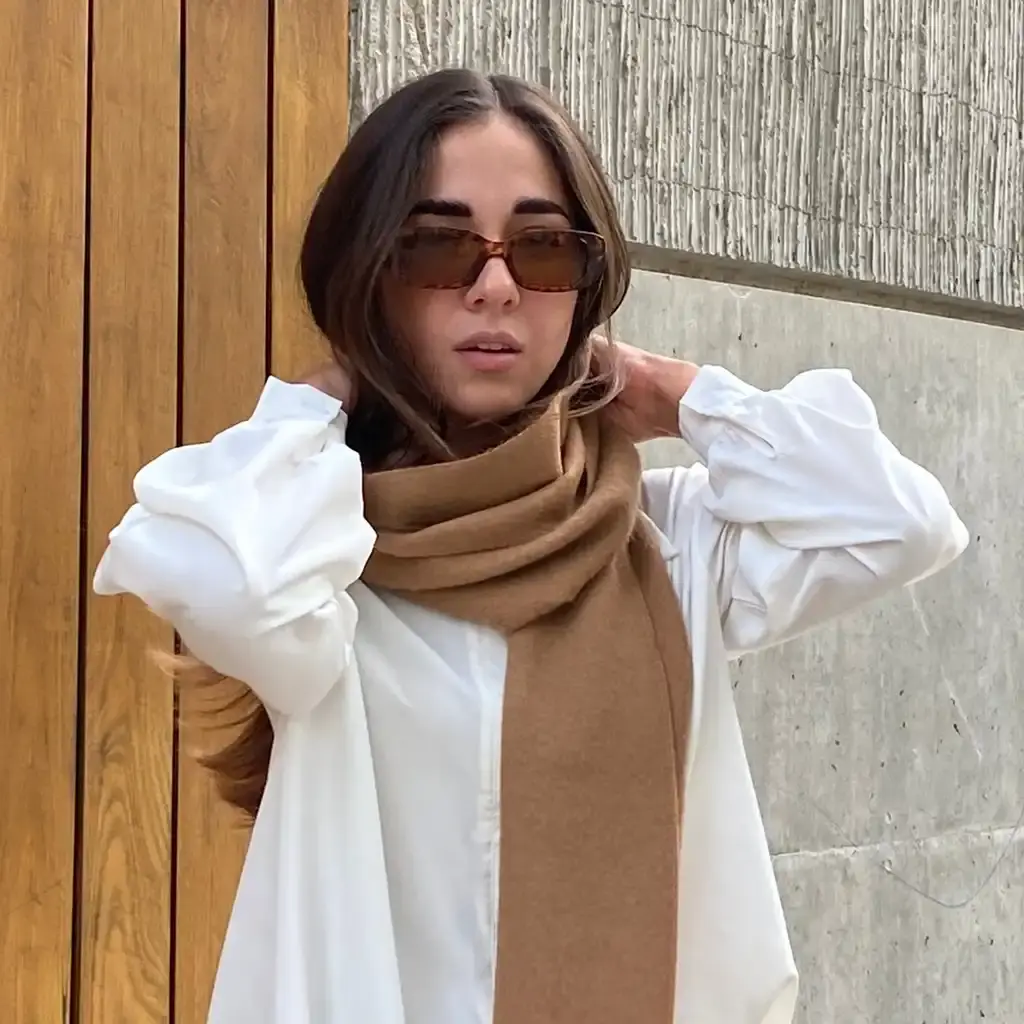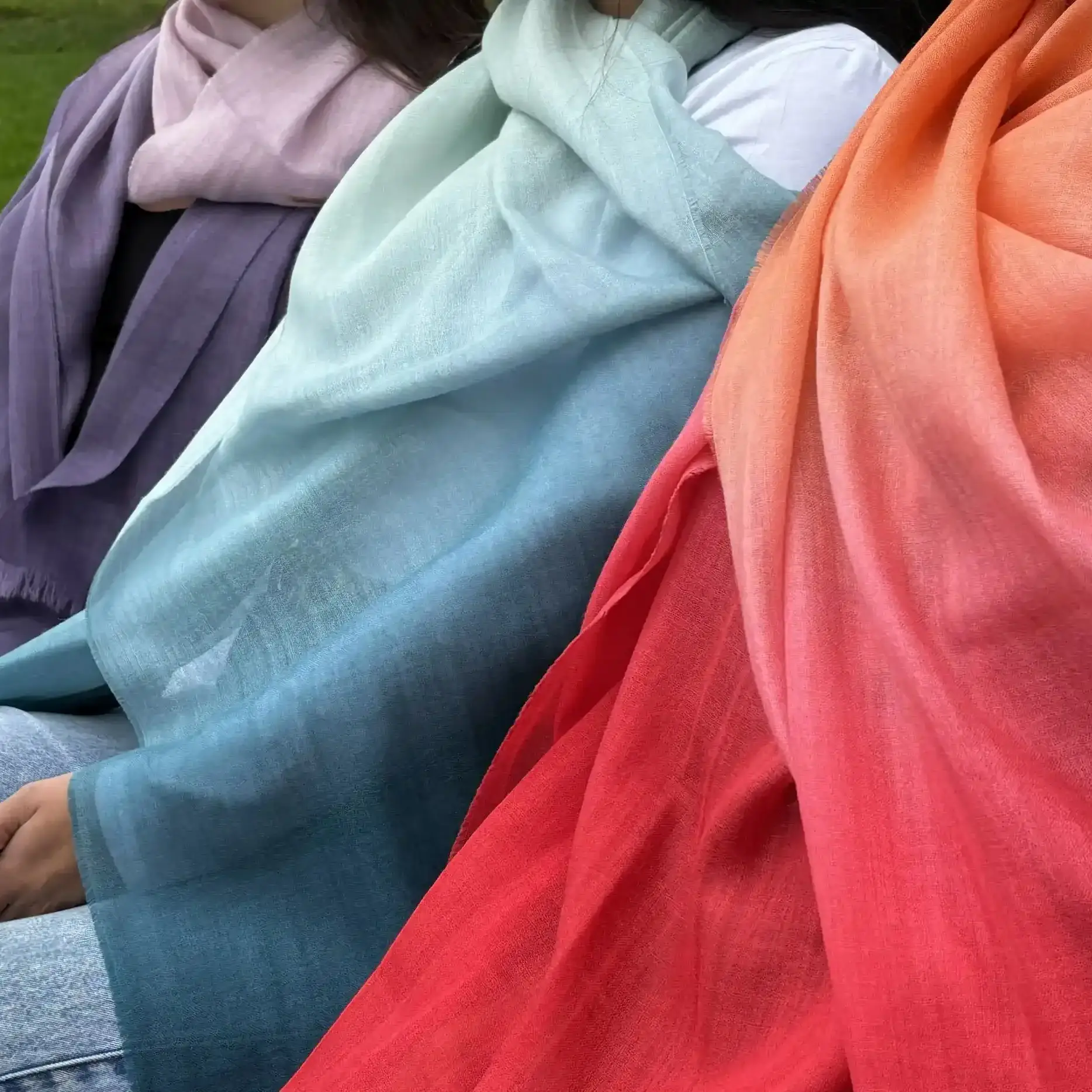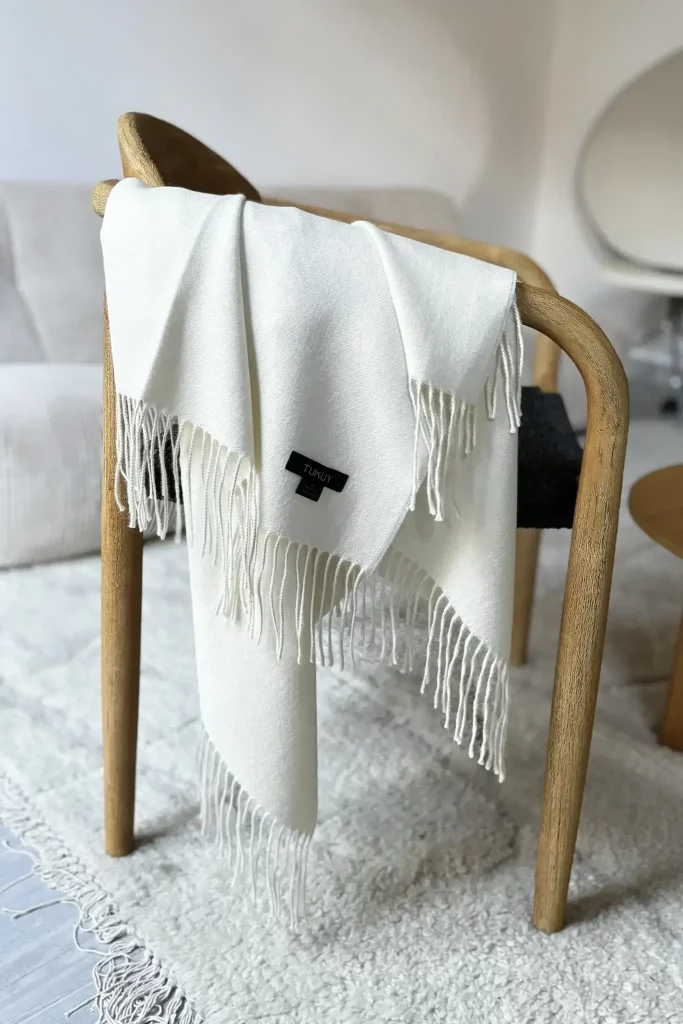

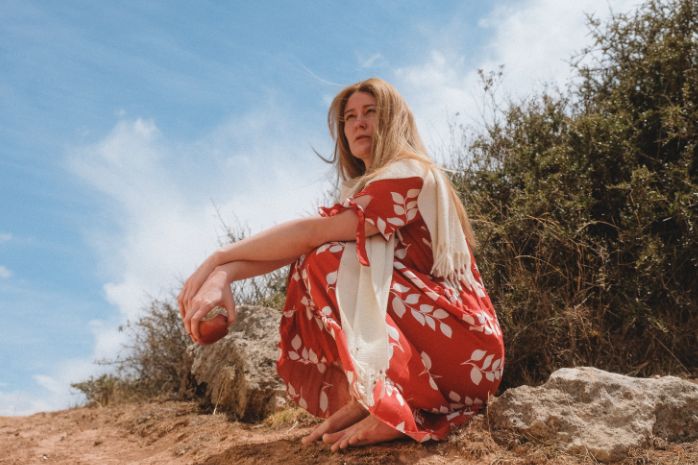
If you have ever wondered what is alpaca wool and why people love it, this guide is for you. We explain where alpaca wool comes from, its benefits, how it compares to sheep wool, and whether it is sustainable. You will also learn why choose alpaca wool for slow fashion pieces like scarves, shawls, blankets, ponchos, socks and beanies.
What is alpaca wool
Alpaca wool, also called alpaca fiber, is the natural yarn that comes from alpacas. Alpacas are South American camelids related to llamas. Their fleece is made of fine, hollow fibers that trap air and provide warmth without weight.
Alpaca fibers come in many natural colors, from white and beige to browns, grays and black. The texture ranges from very fine and soft to more robust, depending on the animal and the grade of the fiber.
At Tukuy, we use high-quality Peruvian alpaca wool to craft accessories that are warm, soft and built to last. If you want to feel the difference, explore our carefully made alpaca scarves and shawls for a hands-on example of the fiber’s soft handle and drape.
Where does alpaca wool come from
Where does alpaca wool come from? Mostly from the high Andes of Peru, Bolivia and Chile. Peru is the largest producer of alpaca fiber. Alpacas are bred in herds on mountain pastures where the climate helps produce a warm, fine fleece.
Small family farms in Peru care for alpacas as part of traditional farming systems. These communities shear animals once a year, sort fibers by fineness, and then spin and weave using local craft skills. This link between people, animals and place gives alpaca products cultural value as well as technical benefits.
To learn more about how artisan making supports communities, read about our work with Peruvian weavers and the local approach to slow fashion at our Tukuy collections page.
Benefits of alpaca wool
What makes alpaca wool special? Here are the main benefits of alpaca wool in simple terms.
- Softness: Many grades are as soft or softer than sheep wool, especially baby alpaca.
- Warmth: Hollow fibers trap heat, making alpaca garments very warm without bulk.
- Lightweight: Alpaca items feel lighter than other wool products with the same warmth.
- Durability: Strong fibers resist pilling and hold shape with care.
- Hypoallergenic: Alpaca fiber contains little or no lanolin, so it is gentler for sensitive skin.
- Natural color range: Rich natural tones reduce the need for heavy dyeing.
These benefits make alpaca wool ideal for winter accessories like scarves, beanies and blankets. If you want a warm, light wrap, try a Tukuy alpaca shawl or blanket that showcases these qualities.
Alpaca wool vs sheep wool
People often ask about alpaca wool vs sheep wool. Both are natural animal fibers but they have clear differences.
Here is a quick comparison to help you understand which fiber fits your needs:
| Feature | Alpaca Wool | Sheep Wool |
|---|---|---|
| Warmth per weight | High | Good |
| Softness | Very soft (baby alpaca especially) | Varies widely (merino is soft, others are coarse) |
| Lanolin | Very low to none (hypoallergenic) | Contains lanolin (can irritate some people) |
| Water resistance | Moderate | Generally good |
| Weight | Light | Heavier for same warmth |
| Natural color variety | Many natural shades | Usually white; some breeds have color |
In short, alpaca wool often wins on lightweight warmth and softness with less itch. Sheep wool can be more elastic and resilient in certain uses, which is why both fibers remain important. For accessories where softness and drape matter, many people prefer alpaca.
Is alpaca wool sustainable
Is alpaca wool sustainable? Several factors make alpaca fiber a strong sustainable choice.
Alpacas have soft padded feet that do minimal damage to pasture. They graze gently and consume less food than larger livestock. Their fiber grows annually and is a renewable resource when animals are cared for properly.
Other sustainability points:
- Low chemical use: Natural colored fibers reduce the need for dyes.
- Local economies: Smallholder farmers and artisan weavers keep income local.
- Longevity: Durable garments cut waste by lasting longer.
At Tukuy we design with sustainability in mind. We source alpaca from Peruvian herders and partner with fair-trade workshops to ensure animal care and artisan pay. Learn more about our ethical approach and craft values on our sustainability information page.
Why choose alpaca wool
Why choose alpaca wool for your next accessory? Here are simple reasons that matter in daily life.
- Comfort: It feels soft next to skin, so you can wear scarves and hats without itch.
- Warmth: It keeps you warm on cool days without making you sweat.
- Style: Natural colors and smooth drape look elegant and timeless.
- Care: With basic care, alpaca pieces stay beautiful for years.
- Impact: Buying well-made alpaca items supports slow fashion and artisan jobs.
If you want a gift that feels special and lasts, choose a Tukuy alpaca scarf, shawl or blanket. Our pieces are made to be worn many seasons and passed on.
How alpaca wool is graded and processed
Understanding grade helps you pick the right item. Alpaca fiber is graded by fineness, measured in microns. Lower microns equal softer fiber.
Common grades:
- Baby alpaca: Very fine and soft, ideal for garments worn against the skin.
- Medium alpaca: Great for sturdy accessories like hats and socks.
- Coarse alpaca: Used for rugs or heavy outerwear where durability matters.
Processing steps usually include shearing, sorting by color and fineness, washing, carding, spinning and weaving or knitting. Local artisans often hand-finish items, adding embroidery or unique patterns.
care tips for alpaca wool
Simple care keeps alpaca items lovely for years. Follow these easy steps:
- Hand wash in cool water with mild soap or a wool-friendly detergent.
- Gently press out water; do not wring. Lay flat to dry away from direct sun.
- Store clean and dry. Use breathable storage like cotton bags to avoid moisture.
- Avoid machine drying and high heat to keep fibers resilient.
With proper care, an alpaca scarf or blanket will retain softness and shape much longer than many synthetic alternatives.
Uses and styling ideas for alpaca accessories
Alpaca wool is versatile. Here are popular ways to use and style alpaca pieces.
- Scarves and wraps: Lightweight warmth with elegant drape for layering.
- Shawls and ponchos: Statement pieces that add color and texture.
- Blankets: Cozy home accents that are warm without heavy weight.
- Socks and beanies: Soft everyday wear that insulates well.
Tukuy designs combine clean modern lines with traditional alpaca fiber. For outfit ideas and gift sets, see our handmade alpaca collections and seasonal picks at Tukuy’s shop.
Frequently asked questions about alpaca wool
Is alpaca wool itchy?
Most alpaca wool, especially baby alpaca, is not itchy. Because alpaca lacks lanolin, it is often comfortable for sensitive skin. Choose finer grades for items worn next to skin.
Can alpaca be machine washed?
Some machine-washable items exist, but careful hand washing is safest. If a garment is labeled machine-washable, use a gentle cold cycle and a laundry bag.
Do alpacas need to be harmed to get fiber?
No. Alpacas are sheared once a year, similar to trimming hair. Responsible herding practices focus on animal health and humane treatment.
How alpaca wool supports slow fashion and artisan communities
Alpaca wool fits slow fashion principles: quality over quantity, local craft, and durable items designed to be loved for years. Small-scale production helps reduce waste and supports traditional skills.
By choosing alpaca from ethical sources, you support Peruvian families and help keep textile traditions alive. Tukuy works directly with artisan producers to ensure fair wages and transparent supply chains.
How to spot quality alpaca products
Look for these signs when buying:
- Clear fiber grade information (baby, superfine, etc.)
- Natural color options and even dyeing for colored pieces
- Neat seams and even weaving or knitting
- Brand transparency about sourcing and artisan partners
At Tukuy, every product page includes materials and care details so you know exactly what you are buying. See our product descriptions for full transparency and craft notes. Most of our products are 100% baby alpaca wool.
Alpaca wool price and value
Alpaca items can cost more than fast-fashion wool because of careful sourcing and craft labor. But price reflects value: a lightweight alpaca shawl that lasts many seasons is often a better investment than several lower-quality items.
Consider cost-per-wear: a high-quality alpaca scarf from Tukuy may save money over time because it keeps shape, needs less replacement, and stays stylish.
Where to buy authentic alpaca wool
For made-in-Peru alpaca accessories, browse Tukuy’s crafted collection of scarves, shawls and blankets. Our items highlight Peruvian weave traditions and ethical sourcing.
To compare materials and learn more about Peruvian alpaca farming, you can also consult industry resources and research pages that cover fiber standards and animal welfare.
Comparing alpaca wool to other fibers in everyday use
How does alpaca compare to cotton, synthetic fleece, or cashmere?
- Vs cotton: Alpaca is warmer and better at insulating in cold weather. Cotton is cooler and breathes well in warm climates.
- Vs synthetic fleece: Alpaca is more breathable and biodegradable. Synthetics can trap odor and shed microplastics.
- Vs cashmere: Alpaca can offer similar softness at lower cost, with strong durability and natural color variety.
Choose the fiber that fits your climate and lifestyle. Alpaca shines for lightweight warmth, low irritation and long wear.
Benefits of alpaca wool for gift giving
Gifts made of alpaca wool suit many occasions. They feel luxurious, are practical, and carry social impact because they support craftsmen and small farms.
Popular gift ideas:
- Classic alpaca scarf in a neutral tone
- Cozy alpaca blanket for home
- Matching beanie and scarves
For ready-to-give options, see Tukuy’s curated gift sets.
Final thoughts: why choose alpaca wool for your wardrobe
Alpaca wool blends comfort, warmth, durability and environmental strengths. If you ask what is alpaca wool and whether it is a good choice, the answer is that it often offers better warmth-to-weight, soft touch, and a smaller environmental footprint when sourced responsibly.
Choosing alpaca supports slow fashion and artisan communities in Peru. For thoughtfully made alpaca accessories that last, explore Tukuy’s selection of scarves, shawls, blankets and more. Each piece is crafted to be both beautiful and useful.
Learn more about Tukuy’s approach to materials and craft on our product pages and sustainability information.
Related reading and resources:
- Tukuy alpaca scarves and shawls collection
- Peruvian alpaca farming overview and practices
- Textile fiber standards and care guidance
If you are ready to add a cozy, sustainable piece to your wardrobe, browse Tukuy’s alpaca accessories and find the right item for everyday wear or special gifts. Enjoy warmth, softness and the positive impact of slow fashion.