
When selecting new clothing: first, we want something that flatters us, and second, we want something that is trendy. Although color may highlight a person’s unique traits and characteristics, this formula pushes color to the background. However, the idea to use colors to emphasize one’s personality is becoming more and more popular. And that is what we call colorimetry these days.
You’ve probably noticed that certain shades make you look gray, while others make your skin look more radiant. It’s already colorism if you stop wearing the orange sweater you were given because you feel that it makes you redder.
This post explains how it works, how to identify your colors, and how to stay away from colors that don’t work for you so you always look nice.
What is the Science Behind Colorism?
Alright, let’s begin with the definition of colorimetry. In a nutshell, it’s the science that examines color—or more accurately, how colors are measured.
The skill of wearing colors that make you look good is called colorimetry, or the science of colors. Based on their natural hair color, eye color, and skin color, each person has a unique colorimetry. Understanding your colors—those that make you feel good and those that flatter you—will be made easier with help of colorimetry.
Colometry: Color for Every Season
There are different tones for each season. The ideal time to update your clothing is when one season ends and a new one begins. There is a color scheme for every season that will look great on your skin.
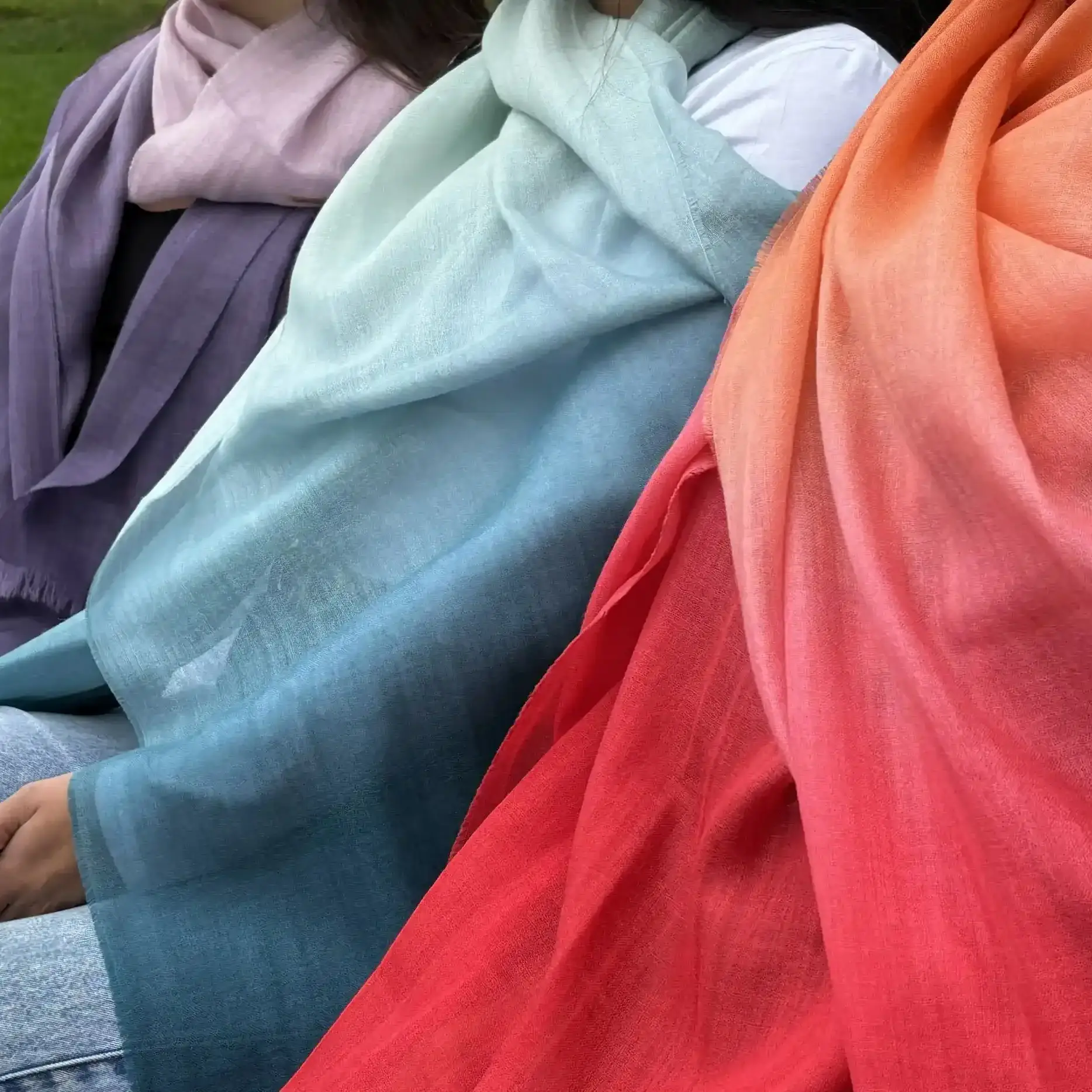
Summer: In summers we have hints of lightness mixed in with the scents of mojitos and sunscreen. But the colors are colder and gentler in this palette. Powder pink, mint green, and baby blue are pastel hues that are the summertime royal colors. As you organize your wardrobe for the forthcoming season, bear these suggestions in mind. You may really bring out your complexion and improve your look by experimenting with colors that go well with the season. Keep in mind that fashion is all about self-expression and attitude.
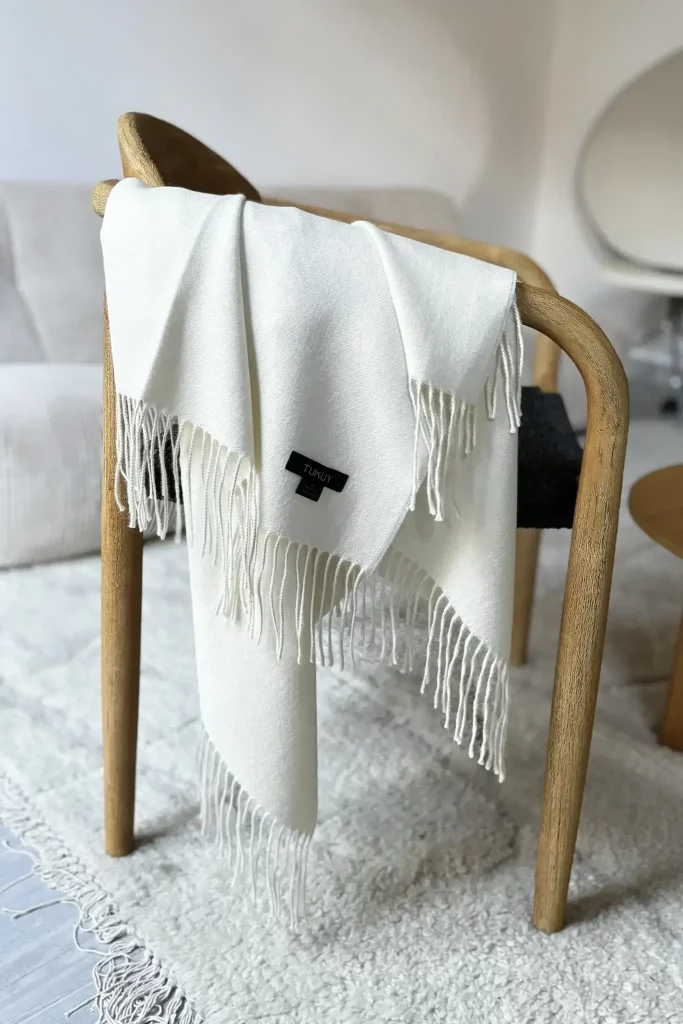
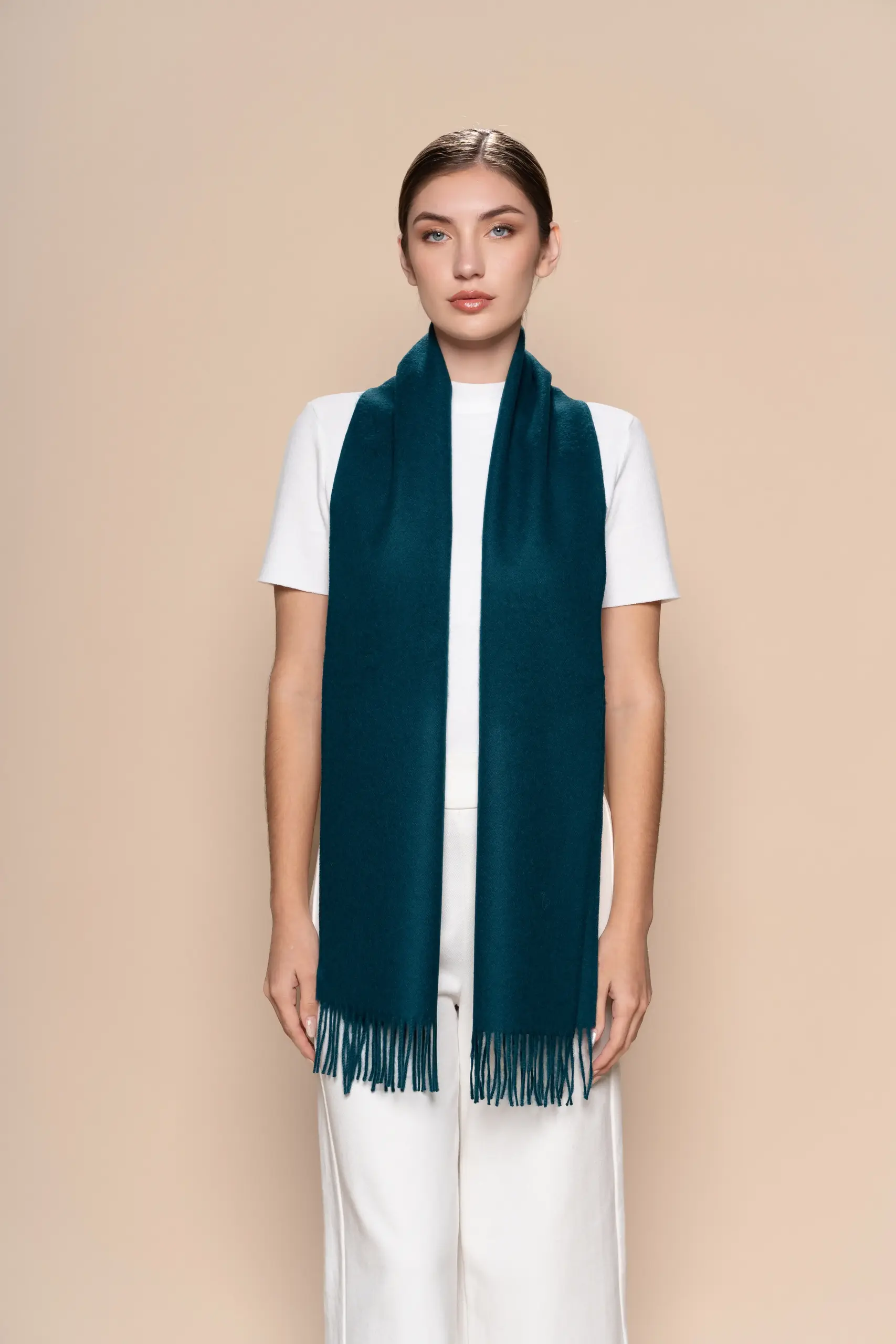
Winter: Cold and contrasting colors are characteristics of winter coloring. Blue, crimson, black, dark gray, or white are the hues that work best in winters. The bleak beauty of winter serves as the inspiration for the color scheme. Imagine the deep blue of the night sky, the brilliant white of snow, or the sophisticated black of a stylish evening. We recommend the Grey Alpaca Shawl by Tukuy if you’re searching for a winter shawl. It’s perfect for people who desire a large, slim scarf that’s both elegant and cozy.
Spring: Light and vibrant hues return with spring. This season is ideal for pastel colors like light green, sky blue, and pink. Consider the sky blue of a lovely spring day, the gentle green of new leaves, or the delicate pink of cherry blossoms as examples of nature in bloom.
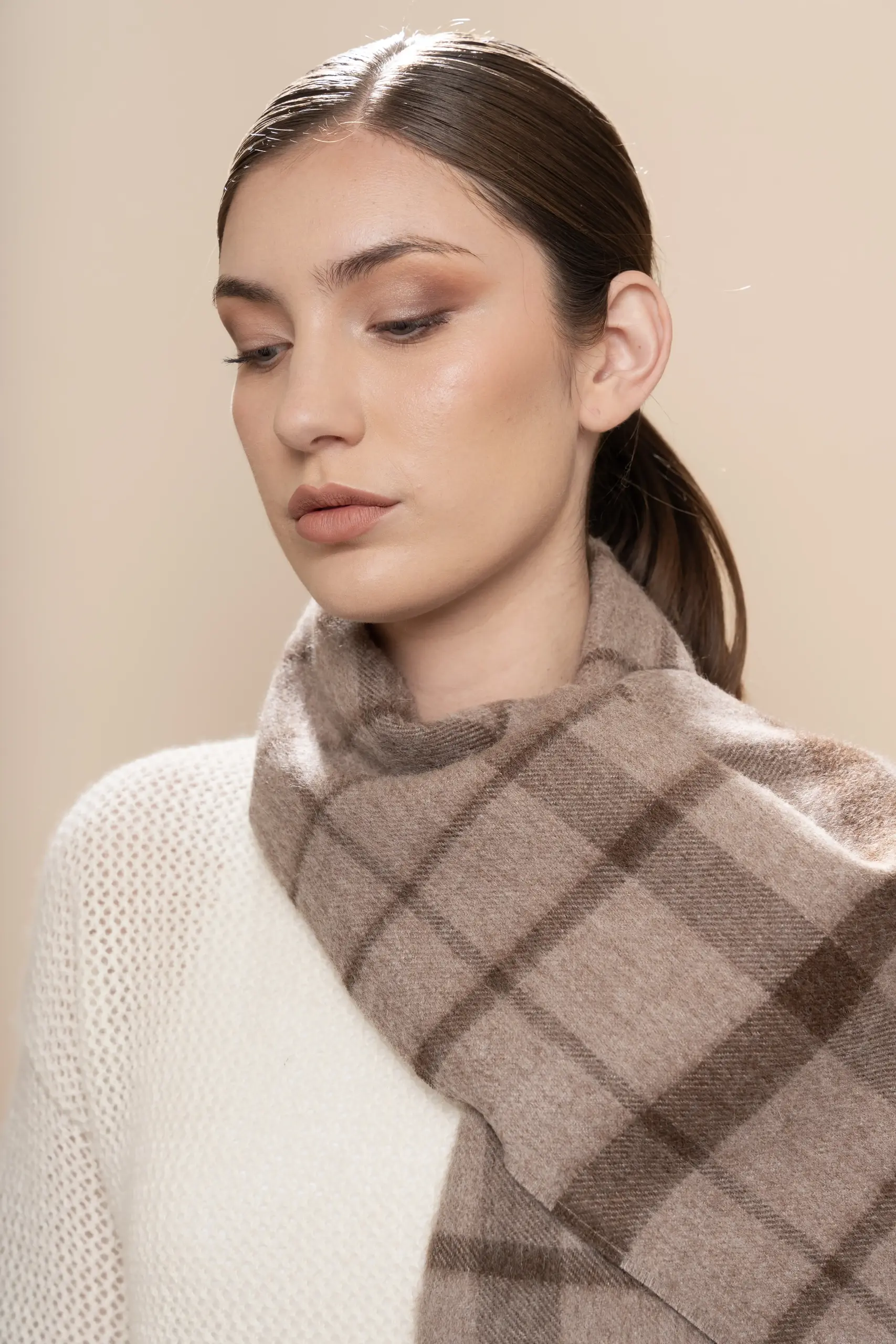
Autumn: Early sunsets and roasted chestnuts and blankets of leaves on the ground. You already know which tones are part of this palette. We have oranges, mustards, browns, olive greens, and so on. They go really well with the fall’s color palette. Choose natural-inspired shades for your autumn wardrobe, like our Undyed Alpaca Beige Ombre Shawl.
Tips to Pick Colors that Suits your Skin Types
Knowing your colorimetry will help you choose the right accessories, color scheme, and even how to mix and match depending on how you’re feeling. Not to mention, you will be able to determine which textiles are ideal for texture, drape, and structure.
However, sometimes you want to do it yourself and don’t have access to an image consultant. Therefore, we will provide you with some tips to ensure that everything works flawlessly for you:
- Pay attention to your skin tone as a whole. Determine if you have light, medium, or dark skin overall. This will let us determine which station you are a part of.
- Check the undertones of your skin to see if they are chilly (pink or blue) or warm (gold or peach). Exploring places like the inside of your wrist or the region around your neck may help you achieve this. Check your wrist veins; if they turn blue, your tone is cold; if they turn green, your tone is warm.
- See how the sun affects your skin. Observe how the sun tans your skin. You most likely have a warm color palette if you are prone to becoming tan easily. You most likely have cold colorimetry if you burn quickly.
- Take note of the differences between your skin and hair. Check to see whether your skin tone and hair color conflict significantly. Warm colorimetry may be indicated by softer contrast, and cold colorimetry may be indicated by high contrast.
- Reference colors for testing. Obtain a selection of textiles or color swatches in cool (blues, pinks, silvers) and warm (yellows, golds, oranges) tones. See how the samples compare to your skin by holding them close to your face. Notice whether the different shades make your skin appear lighter or greyer.
Final Thoughts
We can wear whatever we choose, even if it doesn’t fit into our theoretical color scheme. However, if you wish to experiment with different colors, an analysis might be a great place to start in order to help and/or motivate you.
Wearing shades that bring you joy and feeling good about your appearance are ultimately what matter. Are you willing to explore the exciting realm of colorimetry?
FAQ – Frequently Asked Questions
What happens if I wish to wear hues that are outside of my color scheme?
Incorporate them into patterns, such as flowers in hues that contrast with your palette’s dominating hue. Wear them on your lower body, away from your face, or with a neckline that covers enough of your body to hide any minor imperfections or blemishes.
Which shades of clothes complement warm-skinned folks the best?
Warm, rich hues like red, orange, gold, brown, and mustard yellow are often the ones that work best for those with warm skin tones.
Which colors of clothes complement cool-skinned folks the best?
Cool, bright hues like blue, green, pink, and purple are typically the ones that work best for those with cool skin tones.