
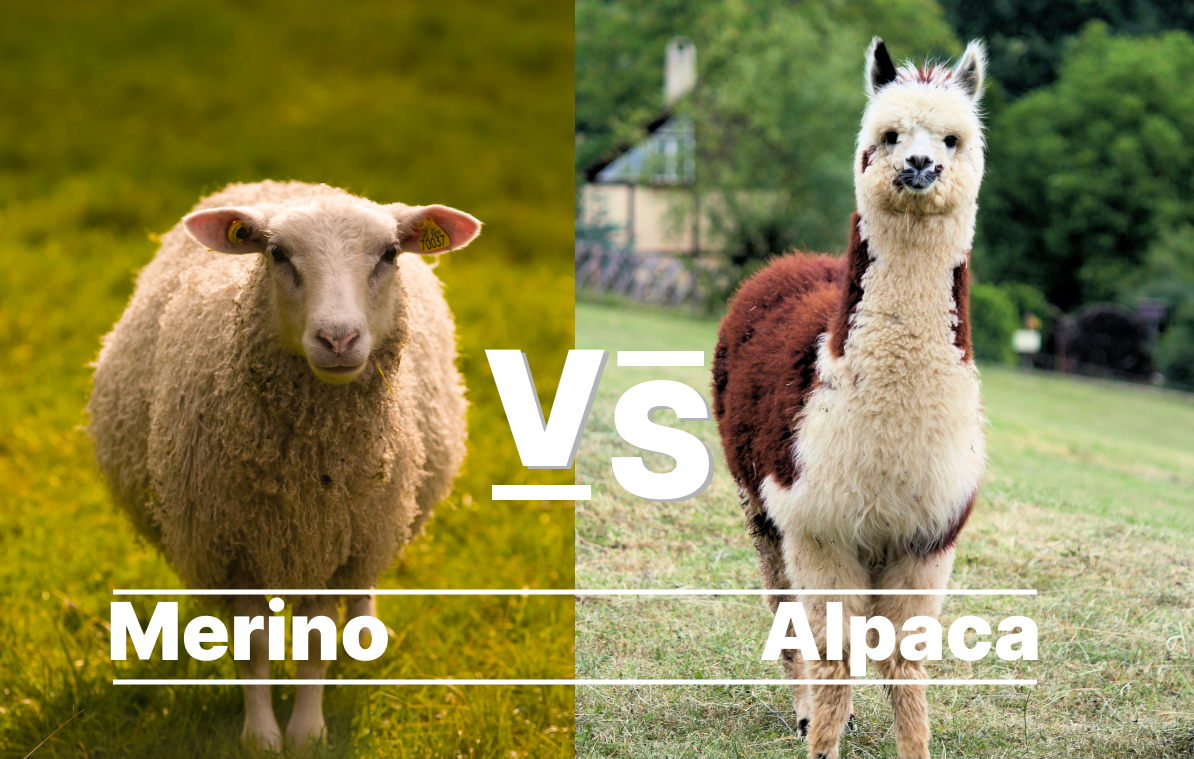
Alpaca wool and Merino wool are two popular natural fibers used in the textile industry. Both fibers have unique properties that make them suitable for various applications. If you’re considering purchasing blankets or scarves made from alpaca or Merino wool, it’s essential to understand the differences between the two.
Alpaca Wool
Alpaca wool comes from the fleece of the alpaca, a domesticated South American animal. Alpaca wool is known for its extreme softness, warmth and durability, making it an excellent choice for blankets and scarves. Alpaca wool is also hypoallergenic.
Merino Wool
Merino wool, on the other hand, comes from Merino sheep, a breed that originated in Spain. Merino wool is known for its durability and warmth.
Is Alpaca Better Than Sheep Wool?
While merino wool comes from sheep, many people compare alpaca directly with traditional sheep wool.
Alpaca fiber is softer, less itchy, and better suited for sensitive skin. It also lacks lanolin, which makes it hypoallergenic and more comfortable for everyday wear.
If you’ve ever found sheep wool irritating, alpaca is often the better alternative.

Alpaca wool vs. Merino Wool by characteristic
Warmth:
When it comes to warmth, alpaca wool is warmer than Merino wool. Alpaca fibers are hollow, which creates pockets of air within the fibers. These air pockets act as natural insulators, trapping body heat and keeping the wearer warm.
Itchiness:
Alpaca wool is renowned for its exceptional softness. Remember those itchy Christmas sweaters? With alpaca wool, you can say goodbye to itchiness. It’s hypoallergenic and perfect for people with sensitive skin. Unlike merino wool, alpaca wool contains no lanolin, making it gentler and more comfortable to wear.
Water Resistant:
Alpaca wool is also naturally water-resistant, making it an excellent choice for outdoor activities in cold and wet conditions. Additionally, alpaca wool is flame-resistant, making it a safe option for home use.
Durability:
In terms of durability, alpaca wool is more durable than Merino wool. Alpaca wool fibers are stronger and more resilient than Merino wool fibers, making it less likely to pill or wear out over time.
Friendliness:
Lastly, alpaca wool stands out as a sustainable and eco-friendly option compared to Merino wool. Producing alpaca wool has a lower environmental impact because alpacas require less water and food than sheep, making them more sustainable for wool production.
One of the key advantages of alpaca wool is its wide variety of natural colors, ranging from white and beige to brown, black, and grey. Alpacas naturally produce fibers in many different colors, eliminating the need for dyeing.
Having a range of natural colors in alpaca wool offers several benefits. Firstly, using the wool in its natural state, as we do with our Tukuy Natural Collection, saves water and avoids the use of potentially harmful chemicals in the dyeing process. This makes alpaca wool a more sustainable and eco-friendly choice, as dyeing can be a significant source of water pollution in the textile industry.
Here’s a summary chart comparing the attributes of alpaca wool and Merino wool:
| Attribute | Alpaca Wool | Sheep Wool (Merino Wool) |
|---|---|---|
| Softness | Very soft | Soft |
| Warmth | Warmer than Merino wool | Less warm than alpaca wool |
| Durability | More durable than Merino wool | Less durable than alpaca wool |
| Hypoallergenic | Yes | No |
| Itchiness | No | Yes |
| Water resistance | Yes | No |
| Flame resistance | Yes | No |
| Sustainability | More sustainable than Merino wool | Less sustainable than alpaca wool |
In conclusion, while both alpaca and Merino wool are excellent natural fibers, alpaca wool stands out for its warmth, durability, hypoallergenic properties, water resistance, flame resistance, and sustainability. So if you’re in the market for high-quality blankets or scarves, alpaca wool is definitely worth considering.
If you’re looking for a soft and comfortable alternative to traditional wool, explore our alpaca scarves and shawls, designed for everyday wear without irritation.