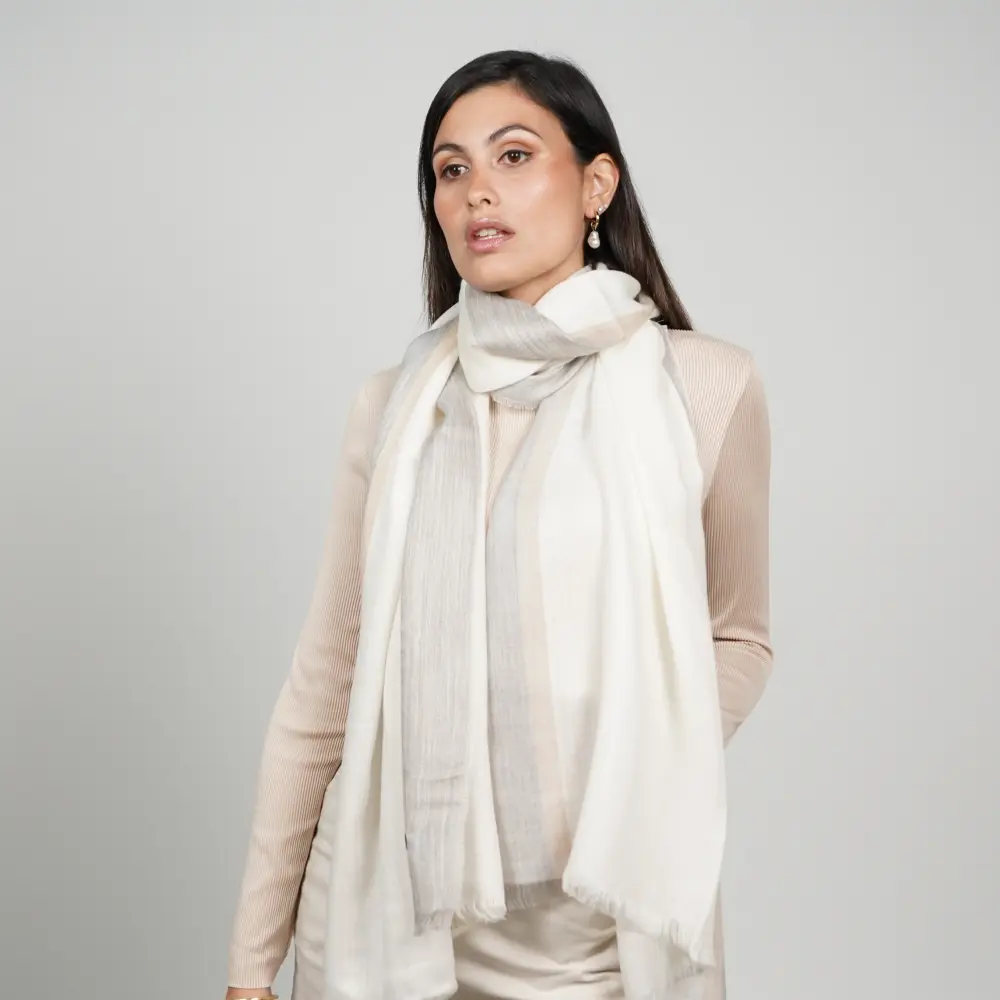
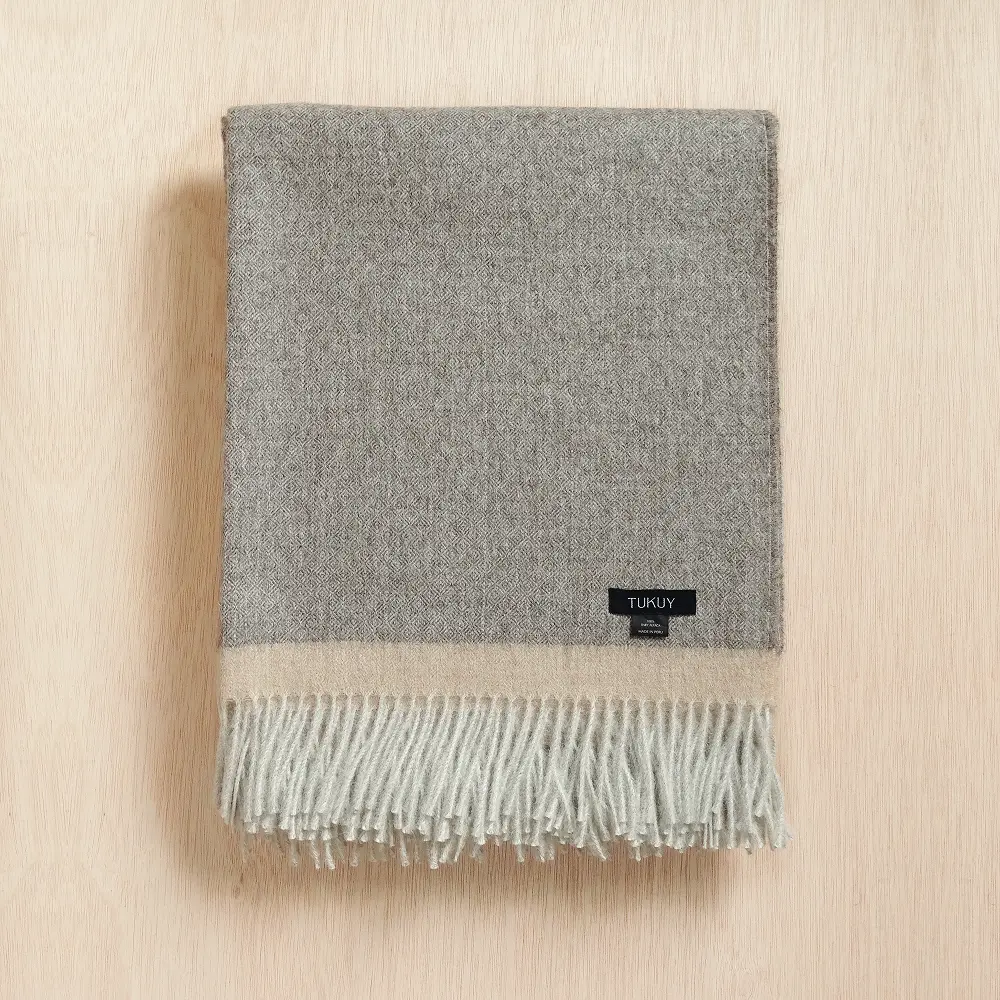
Is alpaca wool ethical? Common concerns and quick answers
Many shoppers ask if alpaca wool is ethical in the sense of animal welfare and environmental impact. Short answer: alpaca wool can be ethical, but it depends on how animals are treated and how farms are run. This section gives quick facts and the main points to check.
- Alpacas are normally sheared once a year. When done right, shearing is painless.
- Alpacas are not subject to mulesing. That avoids one major welfare issue found in some sheep industries.
- Small family farms often raise alpacas in Peru with low-intensity methods and long traditions of care.
- Ethical concerns arise when animals are transported long distances or handled roughly.
Look for clear farm practices and transparency from brands. If you want to learn more about how Tukuy works with Peruvian producers, see our artisan stories and product pages for details and care information. Explore Tukuy baby alpaca scarves and learn about our sourcing.
Sustainable wool alternatives: options to consider
If you wish to move away from conventional wool, consider sustainable wool alternatives. Some of these are plant-based. Others are animal fibers with better welfare records. Below are good choices and why they matter.
Natural plant-based alternatives
- Linen: strong, durable, and biodegradable. Grows from flax and needs less water than cotton.
- Hemp: very sturdy and low input. Good for outerwear and casual wear.
- Organic cotton: better than conventional cotton when grown without harmful pesticides.
Animal fiber alternatives with better impact
- Alpaca: soft, warm, and often produced on small farms. Lower environmental impact in many cases.
- Recycled wool: uses old wool garments to make new yarn and reduces waste.
- Yak fiber: similar to alpaca in warmth and often collected by combing rather than shearing.
Choosing any alternative means checking production methods. Look for transparency, traceability, and clear care for workers and animals.
Eco-friendly wool types: how alpaca compares
When people ask about eco-friendly wool types, they mean fibres with low pollution, low waste, and lower emissions. Alpaca is often on that list for several reasons.
- Alpaca fiber is light and warm. Less fiber can do more work for insulation.
- Alpacas have padded feet that cause less soil erosion than some herd animals.
- They eat low amounts of food compared to other livestock, reducing feed needs.
Compared to some wool from high-intensity sheep farms, alpaca may use less land and create less methane. Yet the exact impact depends on farm scale and management. Small scale Peruvian farms often follow long standing grazing patterns. For more context on pasture management and best practices, read resources from industry groups and farm networks. Learn more about responsible fiber practices.
Animal cruelty-free wool: certifications and what to ask
Many buyers look for cruelty-free wool. There is no single global standard for all alpaca fiber. Still, you can watch for signs that animals are treated well.
Questions to ask brands
- Who shears the animals and how often?
- Are alpacas kept in healthy herd sizes with good pasture rotation?
- Are there vet checks and humane handling practices?
- Does the brand share photos or videos from farms?
Some useful certifications for animal welfare include third party audits and transparent traceability systems. When a brand can show farms, workers, and the full supply chain it is easier to verify animal welfare. Tukuy places high value on artisan partnerships and humane practices. See our product stories and sustainability commitments for details.
Alpaca wool farming sustainability: practices in Peru
Alpaca wool farming sustainability is tied to geography and culture. Most alpacas are raised in the high Andes of Peru. There the animals, land, and people have coexisted for centuries.
Many Peruvian farms are family-run. They use traditional grazing systems that protect fragile high altitude grasslands. These systems are often low input. They do not use large amounts of grain or chemical fertilizers.
Key sustainability strengths
- Low feed inputs. Alpacas eat natural pasture and require less supplemental feed than some livestock.
- Low water needs. Alpaca fiber production is less water intensive than some plant fibers like conventional cotton.
- Biodegradable fiber. Alpaca fiber returns to the earth at end of life.
- Local economies. Fiber production supports artisan communities and traditional crafts.
Still, there are challenges. Overgrazing can be a problem if herd sizes grow too fast. Poor transport and middlemen can reduce farmer income. Responsible brands work directly with communities to improve farm practices and pay fair prices. Tukuy partners with Peruvian artisans and supports fair wages and training. To see the products that result, check the Tukuy blanket and shawl collections. Shop Tukuy baby alpaca blankets.
How sustainable alpaca wool is: lifecycle and impacts
How sustainable alpaca wool is depends on the full lifecycle. That means we look at farming, processing, transport, manufacturing, and disposal. Each step has choices that can improve or worsen sustainability.
Farming and fiber collection
Alpacas are shorn once a year. When shorn properly, they do well and enjoy relief from heavy coats in warmer weather. Gathering fiber by combing or shearing does not harm the animal when done by trained hands.
Processing and dyeing
Processing can add impact. Untreated natural colors require less dye. Where dyeing is needed, low impact dyes and closed-loop systems reduce water pollution. Brands that invest in small scale mills and safe chemistry show better outcomes.
Manufacture and transport
Making garments close to the source cuts travel emissions. Tukuy designs and coordinates production in Peru to keep supply chains shorter. Packaging choices that use recycled or minimal materials also help.
Use and end of life
Alpaca garments are durable. When cared for, they last many seasons. Durability reduces the need to buy more, which is a major sustainability win. At end of life, alpaca fiber is biodegradable and can be composted where facilities exist.
Overall footprint
Across the lifecycle, alpaca often compares favorably to conventional wool and some synthetic fibers. It is renewable, biodegradable, and can support small communities. The best results come when brands and farmers work together to reduce waste, use clean dyes, and keep supply chains transparent.
Practical tips when choosing animal and eco-friendly wool options
Here are simple steps you can take when shopping for ethical and eco-friendly wool types.
- Ask the brand where the fiber comes from and how animals are treated.
- Prefer small-scale or family farms with clear practices.
- Look for natural colors or low-impact dye information.
- Choose durable products to reduce waste over time.
- Support brands that pay fair wages and invest in communities.
Avoid fast fashion items with no origin story. Brands that share photos of farms, artisan workshops, and the people who make products are usually more trustworthy. For ethical alpaca pieces that combine traditional skills with careful design, explore Tukuy’s curated selection of beanies, scarves, and shawls. Each item is made in Peru with sustainable choices in mind.
Comparing “animal cruelty-free wool” to “is alpaca wool ethical”
The phrase animal cruelty-free wool suggests no harm to animals at any stage. In practice this is complex. Many fibers that are called cruelty-free actually still involve human decisions about handling animals. Alpacas can be part of cruelty-free systems if they are raised and shorn humanely.
When comparing options, remember these points:
- Proof of welfare matters more than marketing claims.
- Independent audits and traceability are strong signs of care.
- Direct trade with farmers reduces pressure from middlemen and can improve both animal and human welfare.
Tukuy invests in direct relationships with Peruvian artisans. This creates stable income for families and supports humane land and herd management. If you want to buy with confidence, look for brands that make these relationships visible.
What to expect from responsible alpaca wool brands
Responsible brands will share clear information. Here is what you should look for when a brand claims ethical sourcing.
- Farm names or photos and descriptions of care practices.
- Information on shearing and animal health checks.
- Details on processing, dyeing, and local manufacturing.
- Fairer pay and training for artisans.
- Commitments to reduce waste and transparent packaging choices.
Brands that offer product stories and artisan profiles are usually better partners for sustainability. Tukuy showcases our makers and the steps we take to ensure good working conditions and animal care. Learn more about our approach and find product details on our site.
FAQ: quick answers about how sustainable is alpaca wool and related topics
Below are short answers to common questions readers have when they wonder how sustainable is alpaca wool and if it is ethical to buy.
Does alpaca farming harm the environment?
Not necessarily. Well-managed alpaca grazing can be low impact. Problems arise if herds are too large or land rotation is not practiced.
Is alpaca wool cruelty-free?
Alpaca wool can be cruelty-free when animals are shorn humanely and treated well. Check for transparency and third-party audits when possible.
Are there certifications for alpaca welfare?
There are welfare and traceability programs, but no single universal seal covers all alpaca farms. Look for credible audits and clear farm information.
How does alpaca compare to synthetic fleece?
Alpaca is natural and biodegradable. Synthetics often come from petrochemicals and shed microplastics. Alpaca is usually better for end of life and biodegradability.
What about color and dye impacts?
Choosing natural-colored alpaca avoids dye impacts. If dyed, ask about low-impact dyes and water treatment at mills.
Can I buy ethical alpaca accessories?
Yes. Choose brands that work directly with artisans and publish sourcing details. Tukuy offers a range of ethically made baby alpaca accessories crafted in Peru.
Where to learn more: trusted resources
When you want deeper research, use trusted organizations that focus on fibre sustainability, animal welfare, and textile transparency. They publish reports and best practices that help shoppers make informed choices. For general guidance and industry standards, consult expert resources and research groups.
Making an ethical choice: a simple checklist
Use this short checklist to pick alpaca or other eco-friendly wool types that match your values.
- Source transparency: brand shows where fiber is from.
- Animal care: clear statements on shearing and health.
- Processing: low-impact dyeing and local mills when possible.
- Durability: choose well-made items that will last years.
- Community support: brand invests in fair wages and training.
Using this checklist, you can reduce the chance of buying a product that harms animals or the environment. Buying fewer, better items also reduces waste.
Final thoughts: is alpaca wool ethical for conscious shoppers?
Is alpaca wool ethical? In many cases, yes, especially when fiber comes from small-scale Peruvian farms that treat animals well and protect the land. Alpaca is warm, durable, and often less resource intensive than some alternatives. But ethics are not automatic. They depend on farm management, processing choices, and brand transparency.
When you want warm, sustainable pieces that also support communities, consider baby alpaca accessories from Tukuy. Each product is made in Peru with a focus on quality, care, and long term relationships with local businesses and artisans. Choose wisely, care for your piece, and pass it on or recycle it at end-of-life.
Ready to shop ethical alpaca pieces that blend comfort and sustainability? Explore the Tukuy collection for scarves, shawls, blankets, and beanies crafted with care. Browse Tukuy’s curated alpaca collection and find a piece you will love for years.